Butterfly Mandala Wings for Your Embroidery Imagination
When a new design set like the 50 Mandala Wings Butterfly Coloring Book lands on my desk, my first thought isn't just about the art. It’s about the thread. How will these intricate lines translate into satin stitches and fill stitches? What kind of fabric will they sing on, and what kind of project will they truly elevate? Let’s walk through this from a designer’s practical perspective.
A First Impression: Elegance with Room to Breathe
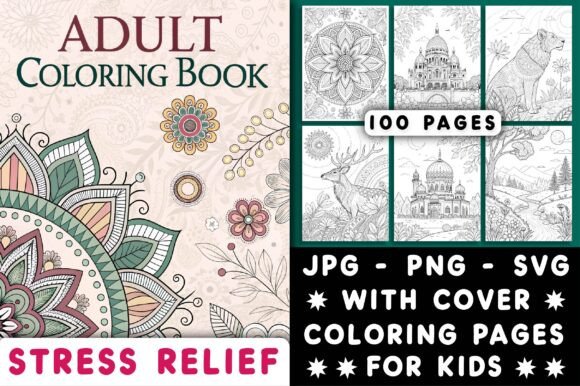
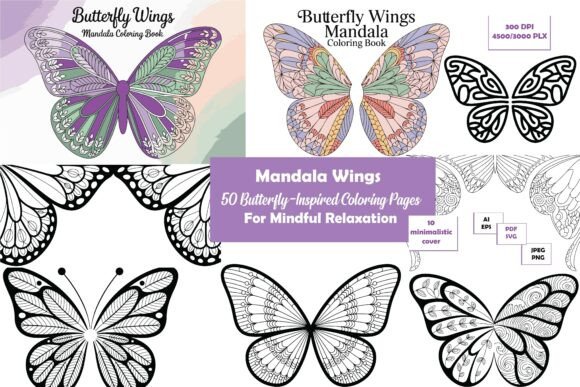
Opening this collection, the mood is immediately clear: mindful elegance. These are not simple cartoon butterflies. They are structured, symmetrical mandalas built from wing shapes. The detail level is high, but there’s a flow to the lines that suggests they could be beautifully interpreted with embroidery. The "coloring book" aspect is key—these designs have clear, distinct areas. For an embroidery designer, that’s a gift. It means you can easily plan your thread colors, treating each segment like a chapter in your stitching story.
The 10 minimalistic covers add a lovely bonus for branding. Imagine using one of those cleaner covers as a small logo on a towel or apron, while the more detailed wings take center stage on a tote bag. This blend gives you flexibility, which is gold for a small shop owner.
Where These Wings Would Soar in Real Projects
I’m picturing a specific scenario: a custom order for a boutique baby gift set. A client wants something special for a nursery—maybe a blanket and a pillow cover. One of the more open, airy mandala wings from this collection could be stunning here. Stitched in soft pastel threads on a cotton blend, it would create that handmade presentation full of love without being overwhelming.
But the potential goes far beyond nursery decor. Let’s think practical:
- Custom Apparel: A detailed wing mandala centered on the back of a linen tote bag creates an instant high-value product. On a sweatshirt, choose a design with slightly less dense fill areas to ensure comfort and durability.
- Home Goods: A single butterfly wing, elegantly stitched on a tea towel or pillow cover, turns everyday items into boutique merchandise.
- Personalized Gifts: For a wedding or holiday gift, a pair of symmetrical wings embroidered on handkerchiefs or kitchen towels speaks to thoughtfulness and craft.
- Small Business Branding: The minimalistic covers could be adapted into a subtle, recurring motif across your product line—on caps, aprons, or patches—building brand consistency.
The key is matching the design’s complexity to the product’s function. These graphics have a visual personality that leans towards decorative, giftable, and artistic. They feel less like corporate logos and more like cherished art pieces, which is exactly what drives engagement for many creative entrepreneurs.
Caution Zones: Where to Stitch with Care
With intricate designs, realism is crucial. Not every project is a perfect fit. Here’s where I’d proceed with careful planning:
- Small Hoop Sizes: Some of these mandalas have lovely, tiny details. On a very small area, like a baby clothes sleeve or a cap’s curved front, those details might get lost or become overly dense. Always test a section first on scrap fabric.
- Stretchy or Thin Fabrics: A design with large, solid fill areas might pull or pucker on stretchy jersey or thin linen without the correct stabilizer. The elegance depends on a smooth finish.
- Dark Fabric Backgrounds: The intricate lines rely on contrast. On dark fabrics, your thread color selection becomes paramount. You might need to use lighter, brighter colors to maintain stitching clarity, or even consider a slightly simpler design from the set to ensure readability.
- Products for Frequent Washing: For items like kitchen towels or everyday apparel, consider using a robust stabilizer and perhaps opting for a design with more running stitch outlines rather than huge fill areas, to ensure longevity and maintain that customer trust.
The Designer’s Impact: From File to Finished Product
Using a collection like this isn’t just about stitching; it’s about the entire product journey. A well-executed mandala wing on a tote bag immediately raises the perceived product value. It looks professional, intentional, and artistic. For an Etsy seller, that translates directly into buyer engagement and better photography for your listings.
The giftability skyrockets. A handmade item featuring this kind of detailed, mindful art feels personal and premium. It also offers recognition—customers will remember the unique butterfly motif from your shop.
Your Practical Checklist Before You Hoop
Before you commit this design to a client’s project or your next craft fair batch, here are my go-to steps:
- Test on Scrap First: Always, always stitch a sample on a similar fabric and color you plan to use. Check for stitch density issues and how small details render.
- Evaluate Color Contrast: Look at the design in a black and white mockup. Does the structure hold up? Then plan your actual thread palette.
- Confirm Your Hoop Size: Measure the design’s intended size against your hoop and the garment’s available space. Nothing ruins a beautiful design like cramming it.
- Inspect the Smallest Details: Zoom in. Are there tiny corners or lines that might vanish or blur? You might need to adjust the stitch type.
- Think Stabilizer and Texture: Match your stabilizer to the fabric texture. A textured canvas tote needs different support than a smooth cotton pillowcase.
- Clarify Licensing for Commercial Use: This is critical. As a digital embroidery file or graphic set, ensure the license allows for selling the finished physical products you make. Don’t assume; confirm.
Remember, the 50 Mandala Wings Butterfly Coloring Book is a toolbox of artistic assets. Its success in your embroidery project depends on your thoughtful application. Choose the right wing for the right canvas, prepare your machine and materials with care, and you’ll create finished products that truly let your imagination—and your business—take flight.