Open Magic Book: A Designer's Review for Embroidery
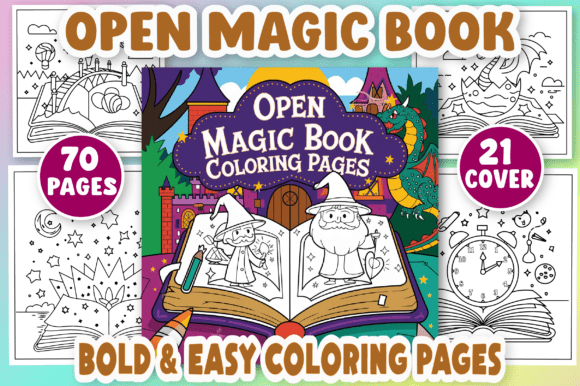
Every embroidery file that lands in my library gets judged by one simple, professional question: Will this design translate beautifully into a finished product? I'm not looking at pixels on a screen; I'm imagining stitches on fabric, how it will feel in my hands as I work, and the reaction it will get from a client or customer. Today, I'm putting the Open Magic Book, Easy Coloring Pages design through that exact, practical lens.
The Immediate Mood and Personality of the Design
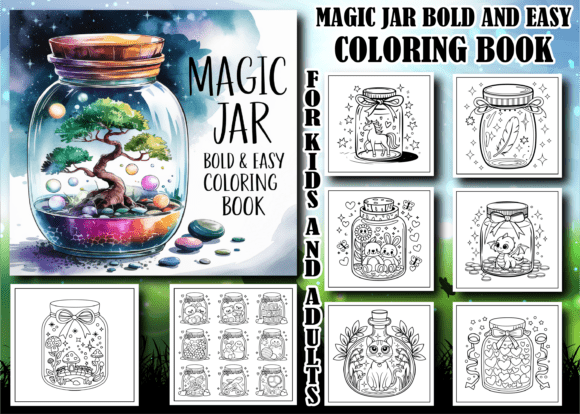
First impressions matter, especially when you're selecting a design for a custom apparel project or a personalized gift. The Open Magic Book theme inherently carries a sense of wonder, creativity, and a personal journey. It's not a generic floral or geometric shape; it's a narrative element. The "easy coloring pages" description suggests bold, clear lines, which is exactly what an embroidery designer wants to see. We need clarity. This design feels like it would stitch out with a confident, graphic presence, creating a piece that’s more about statement and storytelling than subtle detail.
The visual personality leans towards playful sophistication. It's not childish, but it evokes that joyful feeling of starting a new project or exploring a new idea. For my craft business, this means it would resonate well on products aimed at makers, readers, students, or anyone who appreciates a touch of symbolic charm. I immediately picture it on the front of a canvas tote bag for a book lover, or as a central motif on a cozy sweatshirt.
Where This Design Excels in Real Embroidery Projects
Let's walk through a real scenario. I'm preparing a custom order for a boutique: an embroidered linen pillow cover as a birthday gift. The client wants something unique that celebrates the recipient's love for journaling and new beginnings. The Open Magic Book design comes to mind. Its bold lines promise good stitch definition on natural linen. The theme is a perfect metaphor. I can visualize the satin stitch borders and the fill stitch areas creating a satisfying, tactile texture.
This is where the design's strength shines. Its likely simplicity and clear outlines make it a versatile candidate for a wide range of finished products:
- Apparel & Accessories: It would be striking on a tee or sweatshirt pocket, a statement on a denim jacket back, or charming on a baby's romper (if scaled appropriately). The bold nature ensures it remains readable even on smaller placements like a cap or hat.
- Home Goods & Gifts: As mentioned, pillow covers, kitchen towels, or tea towels become special with this motif. It elevates a simple apron into a thoughtful gift for a creative friend.
- Small Shop Merchandise: For Etsy sellers and creative entrepreneurs, this design could anchor a product line. Think embroidered patches, tote bags, or even framed hoop art. Its recognizable theme aids in brand consistency if you're building a shop around literary or creative themes.
- Commercial Embroidery & Digital Assets: For apparel decorators, the design's likely ease of stitching means efficient production runs. For digital product sellers, it provides a strong base for printable mockups to showcase your embroidery file listings.
The key is its projected stitching clarity. A design that stiches out cleanly boosts customer trust. It makes your handmade product look professional and intentional, which directly impacts perceived value and buyer engagement.
Considerations and Practical Designer Notes
No design is perfect for every single application, and a professional review must highlight where careful thought is needed. The "bold and easy" description is promising, but here's how I'd approach it in practice.
My primary concern would be for very small hoop sizes. If any internal details or lettering are particularly fine, they might become lost or messy at a tiny scale. I'd always test on scrap fabric first, especially if planning to stitch it on something like a curved cap surface or a textured fabric like a sweater knit. Stitch density is another checkpoint; overly dense areas on thin or stretchy fabric can cause puckering.
Color choice is crucial. I'd check thread color contrast meticulously against the fabric background. This design likely relies on clear definition, so stitching it on a dark fabric would require careful color selection to maintain its impact. For products needing frequent washing, like baby clothes or kitchen towels, I'd ensure the stabilizer choice is robust to keep those bold lines looking sharp over time.
Essential Steps Before You Stitch or Sell
Before committing this to a client's order or listing it in my shop, my process would be:
- Run a test stitch on both a light and dark scrap fabric to judge readability.
- Inspect the actual embroidery file for any tiny details that might need manual adjustment.
- Confirm the optimal hoop size for the intended product to ensure stability and quality.
- Most importantly, confirm the licensing terms for this graphics product. Can it be used for commercial projects? For selling finished items? This is a non-negotiable step for any small business owner or Etsy seller.
The Final Verdict for Your Embroidery Business
The Open Magic Book, Easy Coloring Pages design presents itself as a strong, thematic asset for embroidery designers and makers. Its anticipated bold lines suggest it will stitch out with confidence, making it a reliable choice for projects where visual clarity and symbolic meaning are important. It fits naturally into markets around gifting, personalization, and creative lifestyles.
It won't be a delicate, filigree piece requiring microscopic precision, which is often a benefit for real-world production. It’s more of a graphic statement. Use it where that statement will be appreciated: on a gift that tells a story, on merchandise for a niche audience, or on personal apparel that expresses a mood. Approach it with practical testing for your specific fabric and product type, and always respect the digital product's license. With that mindset, this design can become a valuable, stitch-ready asset in your embroidery project toolkit.