A Gingerbread Coloring Bundle's Potential for Embroidery
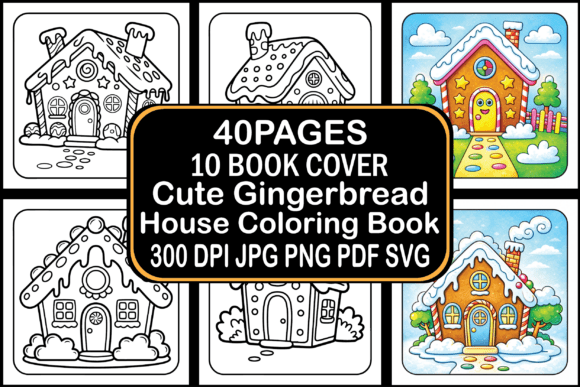
When I first clicked through the Cute Gingerbread House Coloring Book, my immediate thought was, "This isn't just for coloring." As an embroidery designer, my mind translates illustrations into stitch paths, thread colors, and fabric possibilities. This bundle of 40 gingerbread-themed illustrations presents a unique opportunity, especially for crafters working in the holiday and gift-giving niches. But its value depends entirely on how we translate these digital pages into tangible, stitched products.
The Immediate Mood and Design Personality
The collection creates a warm, whimsical, and nostalgic mood. The houses have a charming, hand-drawn quality that feels less like rigid clip art and more like illustrations meant for personalization. This is crucial for embroidery. A design that feels too generic can make a handmade item look mass-produced. These gingerbread houses, with their varied details—different roof patterns, window shapes, candy cane fences—carry a personality that suggests care and creativity. The detail level is moderate: enough to be interesting, but not so overwhelmingly intricate that it would become a nightmare to stitch on a curved cap or a stretchy baby onesie.
For embroidery, this middle-ground detail is a sweet spot. It allows for creative interpretation. You could simplify certain lines for a cleaner look on a tea towel, or emphasize the roof details with a dense satin stitch for a premium pillow cover. The layouts are predominantly single, centered houses, which is perfect for classic embroidery placements—the center of a tote bag, the chest of a sweatshirt, or the front of an apron.
Where This Design Thrives in Real Projects
Imagine you're preparing for a holiday craft fair. You need a lineup of products that feel festive, giftable, and quick to produce. A gingerbread house embroidery design is a perennial winner. Using this bundle, you could create a cohesive collection without everything looking identical.
Let’s walk through a real scenario. I’m thinking of a custom embroidered holiday sweatshirt for a client’s family gift. I select one of the more detailed houses from the bundle. On a mid-weight cotton sweatshirt, with proper stabilizer, the clean lines of the design would translate beautifully into running stitches for the outlines. The larger areas—the walls of the house, the roof—are perfect for fill stitches, allowing me to choose thread colors that match the client’s preferences. The result feels personal and high-quality, far beyond a screen-printed graphic.
The applications are broad:
- Home & Kitchen Goods: Pillow covers, tea towels, and apron pockets become instant holiday decor with these designs.
- Personalized Gifts: A baby’s name stitched beside a gingerbread house on a blanket creates a timeless nursery heirloom.
- Small Shop Merchandise: For Etsy sellers or boutique owners, a series of embroidered tote bags featuring different houses from the bundle creates a compelling, themed product line.
- Commercial Embroidery & Patches: Simplified versions could work well as applique designs for caps or as standalone patches sold as DIY craft supplies.
The key is that the bundle offers variety. You’re not stuck with one gingerbread house; you have 40 styles to cycle through, which helps with brand consistency for a business—you have a recognizable theme, but with fresh iterations for each product listing or craft fair season.
Caution Zones and Practical Considerations
Not every illustration in a bundle like this is automatically suited for every embroidery project. The charm of the hand-drawn style sometimes includes tighter corners and smaller decorative elements. On textured fabrics like a wool blanket or on dark fabric where you need a heavy cover stitch, those tiny details might lose clarity.
Here’s where an embroidery designer’s pre-work is essential:
- Small Hoop Sizes: If you’re working on a baby item or a cap’s curved surface, you need to test the design in your intended hoop size first. Some houses might need slight scaling down, which could make tiny windows or dots too small to stitch cleanly.
- Stitch Density on Thin Fabric: For a lightweight kitchen towel, a very dense fill stitch for a large roof area might cause puckering or make the fabric too stiff. You might opt for a lighter fill or even an outline-only version.
- Dark Fabric Backgrounds: The designs are inherently light-themed (gingerbread, candy). On black or navy garments, you’ll need to plan your thread colors for maximum contrast and possibly add a brighter background fill stitch to make the house pop.
Always, always test on scrap fabric first. This is non-negotiable. It reveals how the fabric texture interacts with the design, whether your stabilizer choice is correct, and if any stitch sections need adjustment for clarity.
The Impact on Value and Customer Perception
Using a well-curated design bundle like this elevates your work. For a customer, an embroidered gingerbread house on a gift feels thoughtful and skilled. It moves from a generic holiday motif to a crafted piece. For your craft business, it supports a professional presentation. You can show product mockups—a series of pillows, each with a different house—that demonstrate cohesion and creativity.
The variety also aids in buyer engagement. In an Etsy shop, you can show multiple product photos using different houses from the same bundle, which builds trust. Customers see you have a depth of design knowledge, not just a single file. For giftability, these designs hit a sentimental note that increases the perceived value of a handmade product.
Essential Designer Notes Before You Stitch
Before you commit this design to a client project or a batch of shop merchandise, run through this quick checklist:
- Convert & Preview: If you’re using these as inspiration for creating your own embroidery file, test the stitch paths. Check the density of any areas you plan to fill.
- Color Contrast: Lay out your thread colors against your intended fabric, both light and dark backgrounds. Does the palette work?
- Scale for Purpose: A design for a large tote bag can handle more detail than a design for a child’s hat. Scale your chosen house appropriately.
- Licensing Clarification: This bundle is described for KDP Interior and POD products. As an embroidery designer, you must confirm the licensing terms before selling any physical finished products (like embroidered pillows or apparel) that use these designs. Ensure your commercial use is covered.
- Mockup in Context: Place the design in a printable mockup of your actual product—a sweatshirt, a tote—to see how it sits in the real layout. This prevents surprises.
The Cute Gingerbread House Coloring Book bundle is a toolkit. It provides strong, thematic raw material. Its success in embroidery depends on your skill in translation—choosing the right house for the right project, preparing your fabric and machine properly, and understanding how stitching transforms a digital line into a tactile, charming piece of holiday magic. For the designer or crafter looking to build a festive product line, it’s a resource worth exploring with a practical, stitch-focused eye.